ASUS ROG Strix XG27ACMESR 280Hz+ Triple Mode QHD IPS
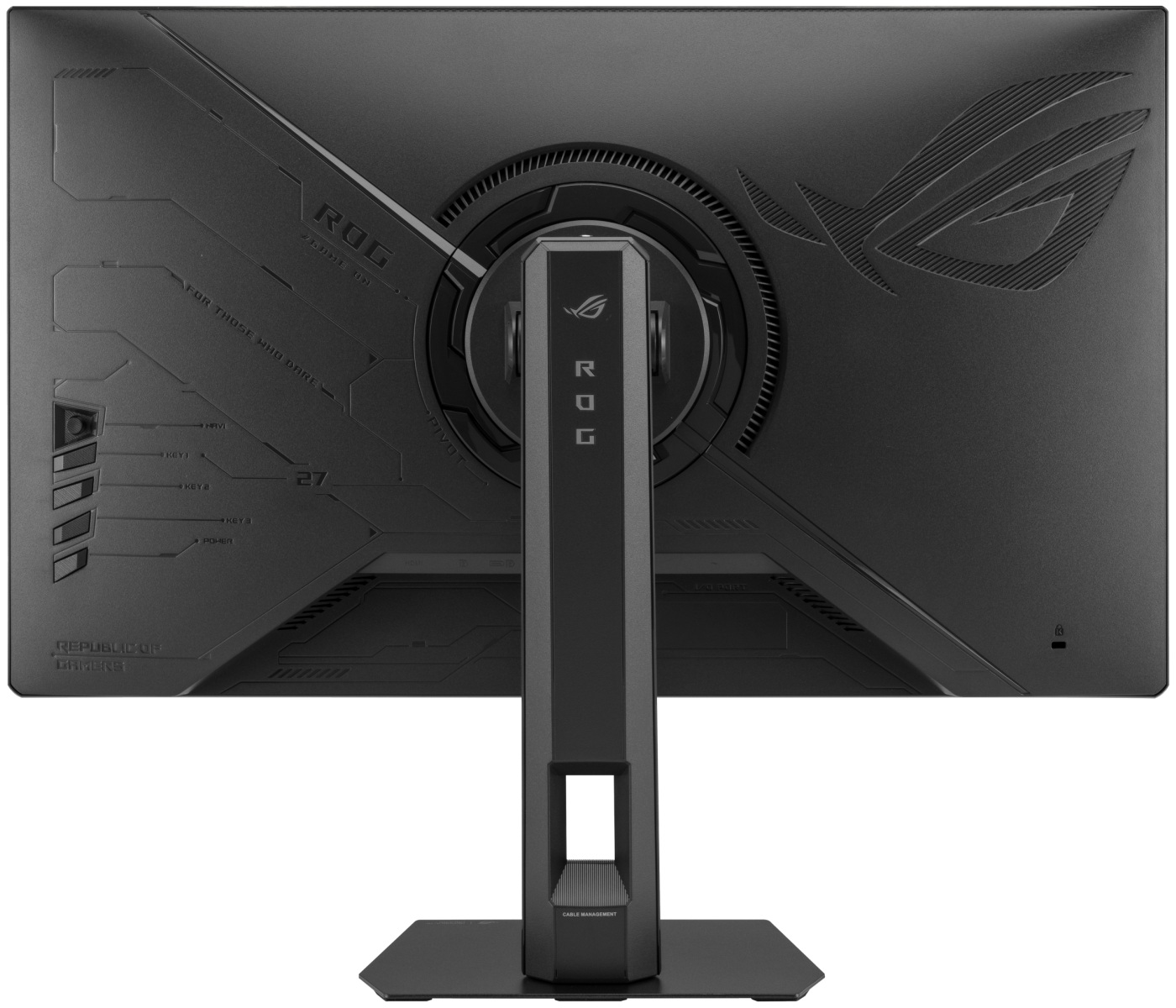
As an Amazon Associate and Newegg Affiliate I earn from qualifying purchases made using the “Buy” button at the bottom of this post. Where possible, you'll be redirected to your nearest store. Further information on supporting our work.The ‘1440p’ QHD resolution provides a nice balance of performance and image quality, but for some games it can be nice to tone down visuals and ramp up speed as much as possible. The ASUS ROG Strix XG27ACMESR is built with this in mind, offering ‘Triple Mode’ functionality which allows it to run between 280 – 550Hz depending on the resolution. The monitor offers straightforward but solid-feeling styling, including; a low-profile coated metal stand base with small footprint, a dark grey plastic bottom bezel and dual-stage design at the top and sides. This includes a slim hard outer part plus a panel border that’s flush with the rest of the screen. The OSD (On Screen Display) is controlled by a joystick and shortcut keys at the rear of the screen, towards the right side as viewed from the front.
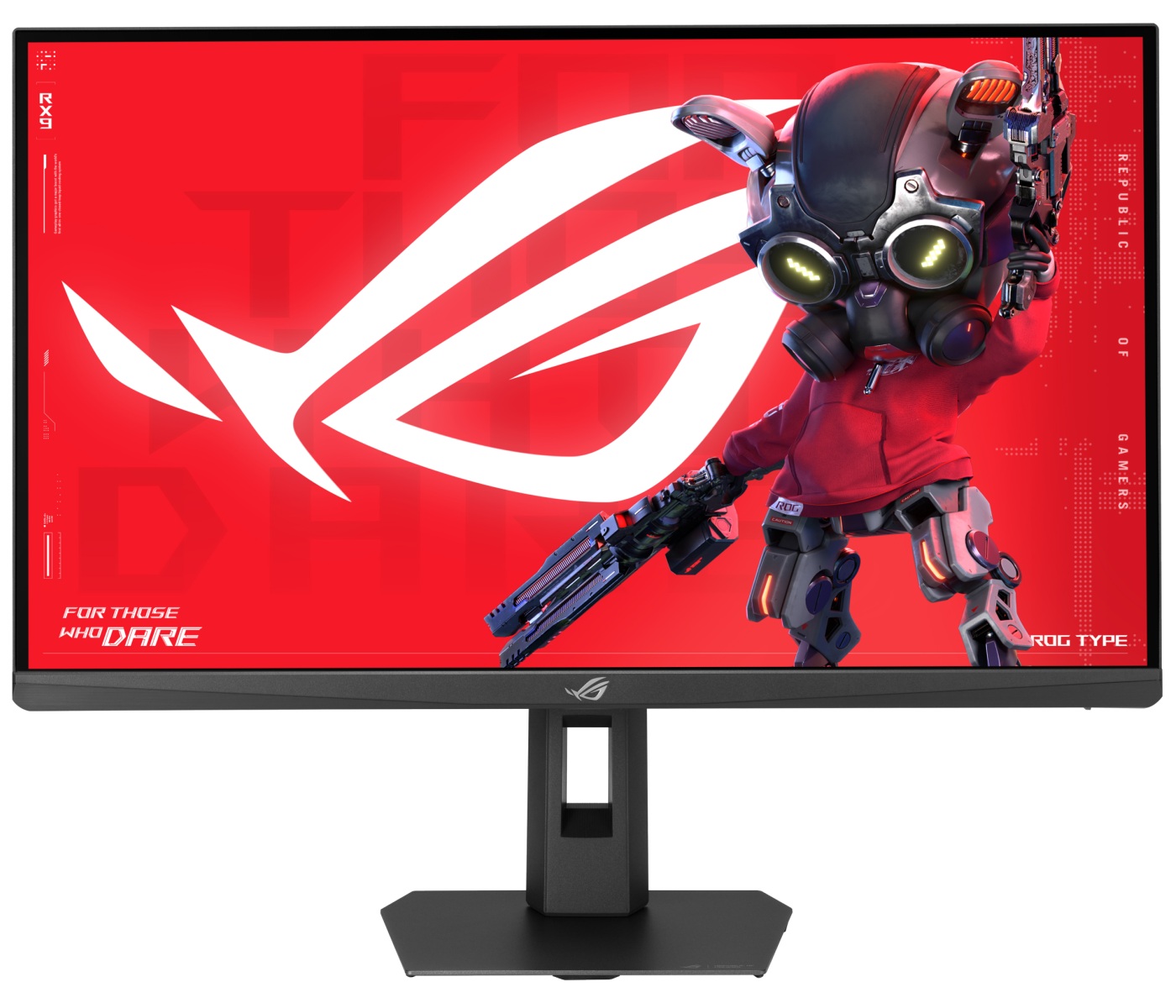
A 27″ 2560 x 1440 (‘1440p’ QHD) IPS panel is used with 280Hz (365Hz ‘1080p’ FHD, 550Hz ‘720p’ HD) refresh rate and matte anti-glare screen surface. VRR is supported via Adaptive-Sync and HDMI 2.1 VRR, allowing technologies such as Nvidia ‘G-SYNC Compatible’ and AMD FreeSync Premium to be used in addition to PS5 VRR. Other aspects of note include; a 1000:1 static contrast ratio, 178°/178° viewing angles and 10-bit colour support. The monitor is flicker-free with 93% DCI-P3 colour gamut and 350 cd/m² (400 cd/m² HDR peak) typical maximum luminance. A 1ms (0.3ms min) grey to grey response time is specified, with ‘Variable Overdrive 2.0’ plus ELMB Sync as a strobe backlight setting that can be used with VRR if you wish.
The monitor offers basic HDR10 support, at the VESA DisplayHDR 400 level. It can make potentially good use of its 10-bit colour reproduction and decent DCI-P3 coverage. But lacks the high brightness peaks or any specified local dimming for a more convincing HDR experience. The included stand attaches centrally via a quick-release mechanism and is fully adjustable, including height adjustment (110mm or 4.33 inches) and pivot into portrait, with alternative 100 x 100mm VESA mounting also supported. The ports face downwards and include; an AC power input (internal power converter), HDMI 2.1, DP 1.4, USB-C (15W PD, DP Alt Mode) and a 3.5mm headphone jack.
Further details can be found on the manufacturer’s website. Details including price and availability still to come.